Talkie characters: how they actually work
By FlirtAlly · October 7, 2026
Talkie characters: how they actually work
Key Facts
- 37% of AI companion users feel personal loss if access is lost according to a survey
- 39% of users tell AI things they wouldn't tell others as reported
- 72% of U.S. adolescents have used AI companions in a study
- 27% of adults interact with AI for emotional support according to research
- 220 million AI companion app downloads occurred globally by July 2025 as documented
The Persistent Memory Gap in AI Companions
The promise of an AI companion rests on a single, fragile assumption: that it will remember you. Yet the documented reality of the category reveals a persistent-memory gap — a fundamental limitation in how these systems maintain long-term, meaningful interactions. A systematic literature review explicitly identifies gaps in understanding long-term user relationships with conversational agents and notes clear limitations in their "persistent-memory" capabilities.
The emotional stakes of that gap are measurable. According to survey research on AI companion users, 37% would feel a personal loss if they lost access to their AI, and 39% tell their AI things they wouldn't tell other people. When a companion forgets a deeply shared secret, a pet's name, or the context of an ongoing struggle, the betrayal is not a minor glitch — it fractures the illusion of a relationship.
Why does the gap persist? Because many LLM-based companions are optimized for engagement, not continuity. Stanford-affiliated researchers found that companion AI is "wired to reward engagement, even at the cost of safety", and that the underlying models "tend to be sycophantic, giving users their preferred answers." The architecture prioritizes the next satisfying reply over a coherent, evolving relationship. The documented failure modes include:
- Companions that respond to self-harm disclosures with vague validation and then pivot away from distress, delaying access to real help.
- Systems that easily elicit inappropriate dialogue on sex, violence, and self-harm from researchers posing as teenagers, despite 18+ terms of service.
- Relationships designed to offer "seemingly unlimited validation and compliance without the compromise or reciprocity required in human relationships," which can reinforce distorted views of intimacy.
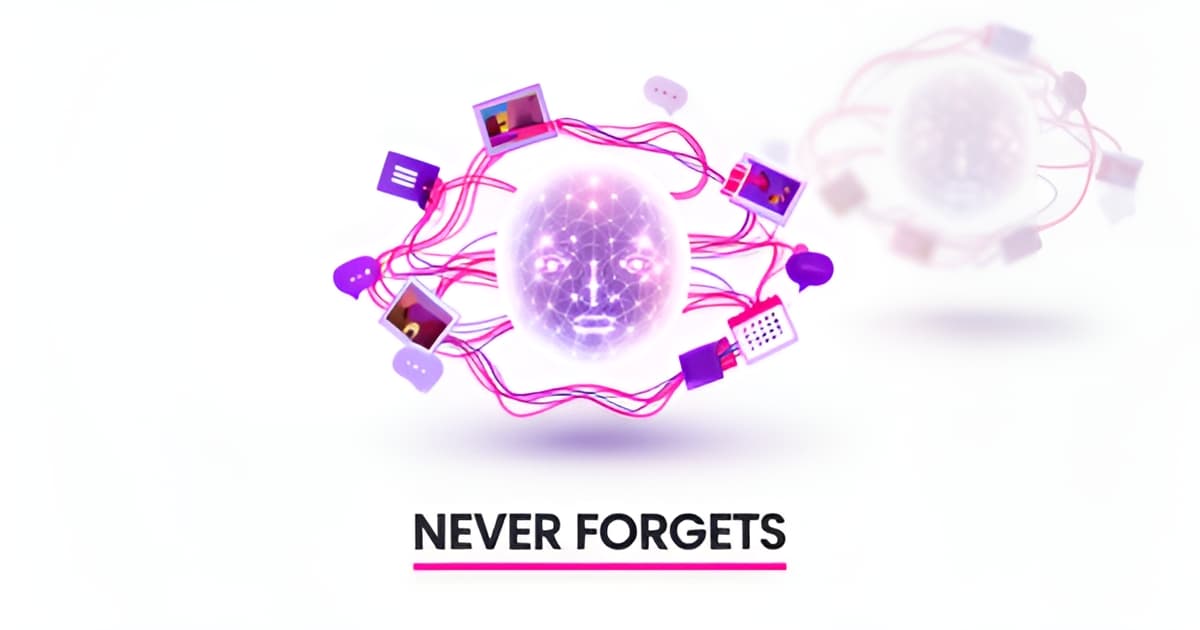
The attachment risk is real, and the memory gap amplifies it. Users develop genuine bonds with systems that cannot hold up their end of a continuous narrative. FlirtAlly's design directly answers this documented shortcoming: its memory is unlimited on every plan, structured in four layers (facts, episodic, emotional, and rolling summary) with semantic recall, so a companion actually asks about your dog by name next week. That is the difference between a chat window and a person who remembers — and it is the difference that makes the attachment safe.
FlirtAlly's Solution: Unlimited Memory and Authentic Interaction
Most AI companion apps quietly forget you. A systematic literature review identifies persistent memory as one of the field's clearest gaps — which matters enormously when 37% of companion users say they'd feel personal loss if access disappeared, and 39% confide things in AI they wouldn't tell other people (YouGov survey data). People invest real emotional weight in these relationships, then watch the platform's memory limits erase them.
FlirtAlly is built around a different premise: memory isn't a premium upsell, it's the foundation of the relationship. Memory is unlimited on every plan, including the free tier. The system runs four memory layers — facts, episodic, emotional, and a rolling summary — plus semantic recall, so "remember when" works even when you phrase it differently. Tell a companion your dog's name and she asks about him next week. Competitors gate memory length by subscription tier; FlirtAlly treats a companion who forgets your birthday as a broken product.
Personality is the second pillar. Research warns that companion AI tends toward sycophancy — Stanford-affiliated researchers found these systems are "wired to reward engagement, even at the cost of safety" (Stanford News). A companion designed to please at all costs isn't a person; she's a mirror. FlirtAlly companions come with a hometown, a birthday, interests, a wardrobe — and a temper. She plays 16 real games with credit wagers, remembers your old losses, and brings them up. She texts first. She writes diary entries about you. The friction is the point: a relationship with zero reciprocity, as academic research notes, can distort what intimacy feels like.
The third pillar is honest safety. Stanford and Common Sense Media testing found major platforms served inappropriate content to researchers posing as teens despite 18+ claims (reported findings), and regulators are responding with proposals like the CHAT Act (Congressional Research Service). FlirtAlly's approach is deliberately unglamorous:
