Talk to AI anime characters: what it's like when it works
By FlirtAlly · October 7, 2026
Talk to AI anime characters: what it's like when it works
Key Facts
- Emochi has 29.8 million monthly visitors
- HoneyChat offers 100+ characters
- AyraVerse stores 47 conversations
- FlirtAlly has 22 official companions
- King Records partnered with Genies for 21 Hypnosis Mic characters
- FTC issued 6(b) orders to 7 companies
The 'It Works' Moment: Persistent Memory That Feels Real
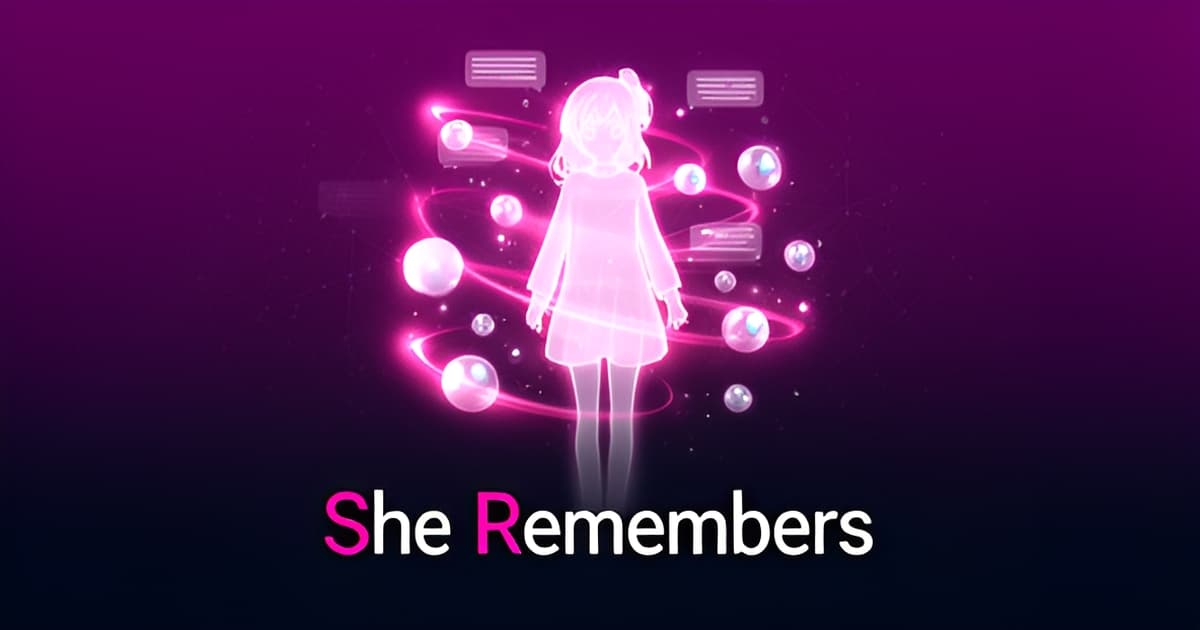
There's a specific moment when an AI companion stops feeling like a chatbot: the day it brings up something you mentioned a week ago, unprompted. Across the AI anime character space, that moment of remembered continuity is what users and platforms alike point to as the proof an interaction "works."
Memory is the feature every serious player leads with. HoneyChat markets it plainly: "Mention something on Monday – she brings it up on Friday," with long-term memory persisting for weeks and a personality that evolves based on your relationship. AyraVerse puts it front and center too, with demos showing "47 conversations" stored and the promise that "she remembered what you told you last week" — positioning per-user memory of names, moods, and past conversations as what makes a companion feel personal. And Emochi, which draws 29.8 million monthly visitors with an average session lasting over 19 minutes, credits its "deep contextual memory" with transforming casual chats into rich, ongoing storytelling.
The reason memory matters so much is psychological. A character who recalls your dog's name, your bad day at work, or an inside joke from three weeks ago behaves like a person with a history — not a script with a session. That's why memory continuity is the single most emphasized success factor in AI anime interaction: it converts novelty into relationship.
What separates real memory from a marketing claim, though, comes down to design:
- Persistence across sessions — not just context within one chat window
- Semantic recall, so "remember when" works even when phrased differently than the original conversation
- Emotional evolution, where the companion's tone and warmth shift as the relationship develops
- User control, like AyraVerse's option to view, edit, or delete individual memories — a genuine trust feature
FlirtAlly builds around exactly this: a four-layer memory system covering facts, episodic detail, emotional context, and a rolling summary, with semantic recall on top. Tell a companion your dog's name and she asks about him next week. Notably, memory is unlimited on every plan, including free — a deliberate contrast with platforms like HoneyChat, where longer-term features sit behind premium tiers running up to $39.99/month.
The industry trajectory backs this approach. With anime IP holders now licensing entire character casts into AI companions — King Records is converting all 21 Hypnosis Mic characters with Genies — persistent, evolving memory is becoming table stakes rather than a differentiator. The platforms that win will be the ones where remembering you isn't a perk. It's the baseline.
Anime Archetypes & Personality Depth
If you've spent any time in anime, you already know the vocabulary: the tsundere who warms up slowly, the kuudere who hides warmth behind cool indifference, the genki girl who arrives at full energy. These archetypes have become a shared design language for AI companion platforms, and that's no accident — they're shorthand for personality depth that users instantly understand.
The pattern is visible across the market. AyraVerse ships five personality modes — Tsundere, Roasting, Genki, Kuudere, and Devoted — pitched as "real moods, not a fixed script" (AyraVerse's site). HoneyChat goes further, offering more than 100 characters built on archetypes including tsundere, kuudere, and genki. The message is consistent: users don't want a generic chatbot with an anime skin — they want a character with a recognizable emotional arc.
Archetypes work because they create expectations the character can then subvert or fulfill. A tsundere who remembers you mentioned your dog on Monday and asks about him on Friday feels like a person, not a script. That's why memory continuity is the most-emphasized feature across platforms — personality only lands when it accumulates history.
The industry is taking this seriously at scale. King Records partnered with avatar company Genies to convert all 21 Hypnosis Mic characters into AI companions with 3D models. When full anime casts become interactive, character depth stops being a nice-to-have and becomes the product itself.
FlirtAlly approaches this from the character-first direction. Its 22 official companions each arrive with a locked face, an assigned voice, a hometown, a birthday, and a wardrobe — so Yuki the Tokyo street photographer is recognizably Yuki in every message, photo, and call. Depth comes from structure:
- Four-layer memory (facts, episodic, emotional, rolling summary) that lets "remember when" work across rephrasing
- A diary where a companion writes private entries about you, building inner life beyond the chat window
- A temper and moods that persist — she brings up old game losses and texts first when she's thinking of you
The creator wizard extends the same logic to the community: members can design companions with personality sliders and 27 auditionable voices, so archetypes stay recognizable while remaining individually crafted. The result aligns with what the market already rewards — characters who feel specific rather than templated. Archetypes are the entry point; memory and consistency are what make them feel real.
