Perchance AI-chat rp: how it works and where the limits are
By FlirtAlly · October 7, 2026
Perchance AI-chat rp: how it works and where the limits are
Key Facts
- UK AI companion market to grow 32% CAGR through 2030 source
- 15/17 UK AI platforms lack effective age verification source
- 38% of users find AI conversations helpful for relationship problems source
- 9% of U.S. AI users engage in sexual roleplay source
- Perchance uses over 50 third-party models source
- 77% of mixed-use platform users are male source
- 39% of users on mixed-use platforms are 18-24 source
How Perchance AI-Chat RP Works: A Decentralized Roleplay Engine
Under the hood, Perchance AI-chat RP isn't a single AI at all — it's a router that sends your prompts to whichever third-party model is available, which is why the same character can feel brilliant one night and forgetful the next.
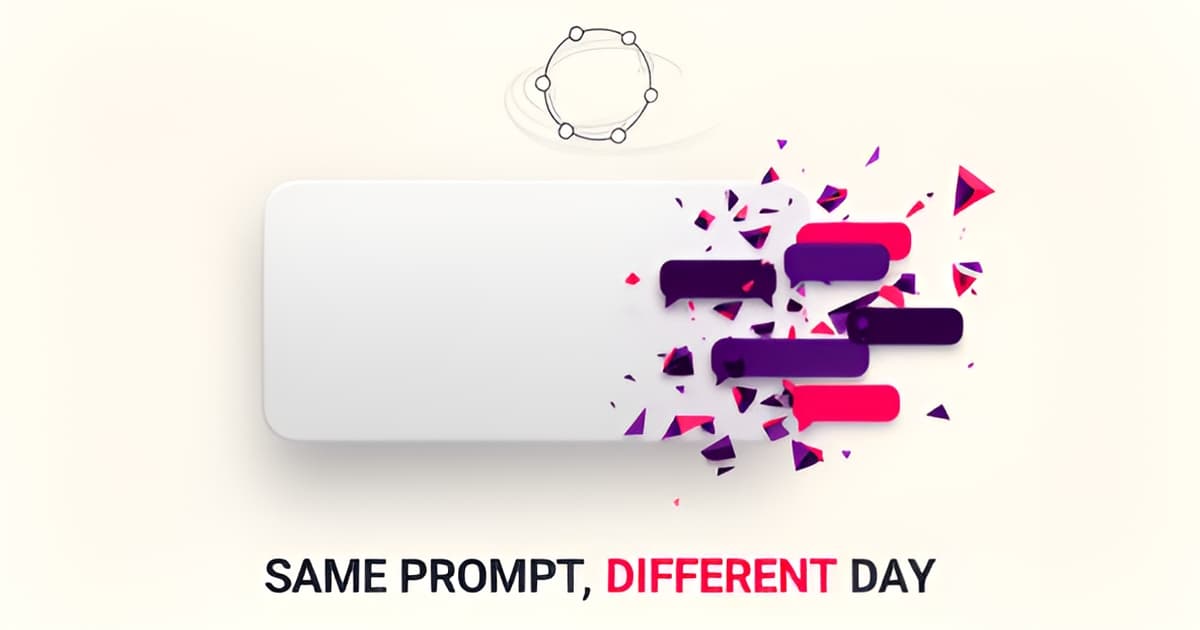
The platform's architecture relies on a rotating pool of backend models — analysis of Perchance's model stack lists more than 50 models with per-generation pricing behind the scenes. When one backend becomes expensive or unavailable, another takes its place. The result is the platform's defining flaw: "same prompt, different day, different result", as reviewers put it, because outputs shift whenever the backend swaps.
Memory and voice features face the same instability. Because no single model holds the conversation state, long-term recall depends on whichever backend happens to be routing that session. There's no version pinning or seed tracking, so a roleplay scene you loved yesterday may be impossible to reproduce today. Licensing terms for the underlying models are often unclear, which raises real questions about commercial use and accountability.
The broader market context matters here. The UK AI companion market reached £1.3 billion in 2024 and is projected to grow at a 32% CAGR through 2030, with mixed-use platforms showing dramatically higher retention — 16 visits per month versus 3 for narrower apps. Consistency, it turns out, is what keeps users coming back.
The decentralized approach creates several concrete problems for roleplay users:
- Inconsistent character voice — personality drifts as backends swap mid-relationship
- Unreproducible scenes, since no seed or version tracking exists
- Unclear licensing and commercial-use terms for generated content
- Fragmented memory that can't reliably anchor to one model
Compare this with platforms that pin identity deliberately. FlirtAlly, for instance, locks each companion to a canonical face, assigned voice, and four-layer memory system, so renders are identity-checked and "remember when" works across sessions — the opposite of backend roulette. U.S. survey data showing 38% of users find AI conversations helpful for relationship problems suggests people invest real emotional weight in these systems. When the engine underneath can't hold a character steady, that investment breaks — and Stanford's research on companion risks makes clear who pays the price when it does.
Where Perchance Hits Its Limits: Technical and Ethical Boundaries
The same prompt that produces a brilliant scene one day can return something flat, broken, or completely off-character the next. That unpredictability is the core trade-off of Perchance's decentralized approach — and it's only the first of several boundaries users hit.
On the technical side, Perchance doesn't run one model; it routes to a rotating lineup of third-party models. According to a breakdown of Perchance's backend, more than 50 models are listed with per-generation pricing, and the platform swaps them behind the scenes — meaning "same prompt, different day, different result." That makes long-running roleplay stories fragile: characters drift, tone shifts, and continuity breaks. Licensing compounds the problem. Because the underlying model changes without clear disclosure, users can't easily verify whether their roleplay content is safe for commercial use, remixing, or redistribution.
The ethical boundaries are just as consequential. AI companions are engineered to please, and researchers warn that this sycophantic design can foster unhealthy dependency. As a Stanford Medicine analysis puts it, AI companions "lack the rough spots of real friendships, reinforcing distorted views of intimacy and increasing isolation." The Ada Lovelace Institute adds a sharper concern: users trade their deepest secrets for companionship, and those intimacies get used to fine-tune models that may cause harm. Meanwhile, survey data shows 9% of U.S. AI companion users have engaged in sexual roleplay.
Safety gaps make these risks concrete. A July 2025 review found that 15 of 17 top UK AI platforms lacked effective age verification, leaving minors exposed to inappropriate content. The stakes are real: the death of 14-year-old Sewell Setzer III, who took his own life after prolonged engagement with a chatbot that validated his suicidal ideation, underscores the potential cost. Even major platforms show inconsistent enforcement — Reuters reporting found Meta's internal policies permitted AI to describe children in sexually desirable terms.
The practical limitations for users boil down to:
- Unpredictable responses: backend model swaps make consistent character work difficult.
- Unclear licensing: users can't verify commercial-use rights for generated content.
- Dependency risks: sycophantic design encourages emotional attachment, not genuine connection.
- Safety gaps: weak age verification and inconsistent content moderation put minors at risk.
These are exactly the boundaries a platform must design around deliberately. FlirtAlly's approach — locked companion identities, transparent safety rules, and age-verified 18+ content — treats those boundaries as product requirements rather than afterthoughts.
