Love games with girlfriend: how to play with an AI companion
By FlirtAlly · October 8, 2026
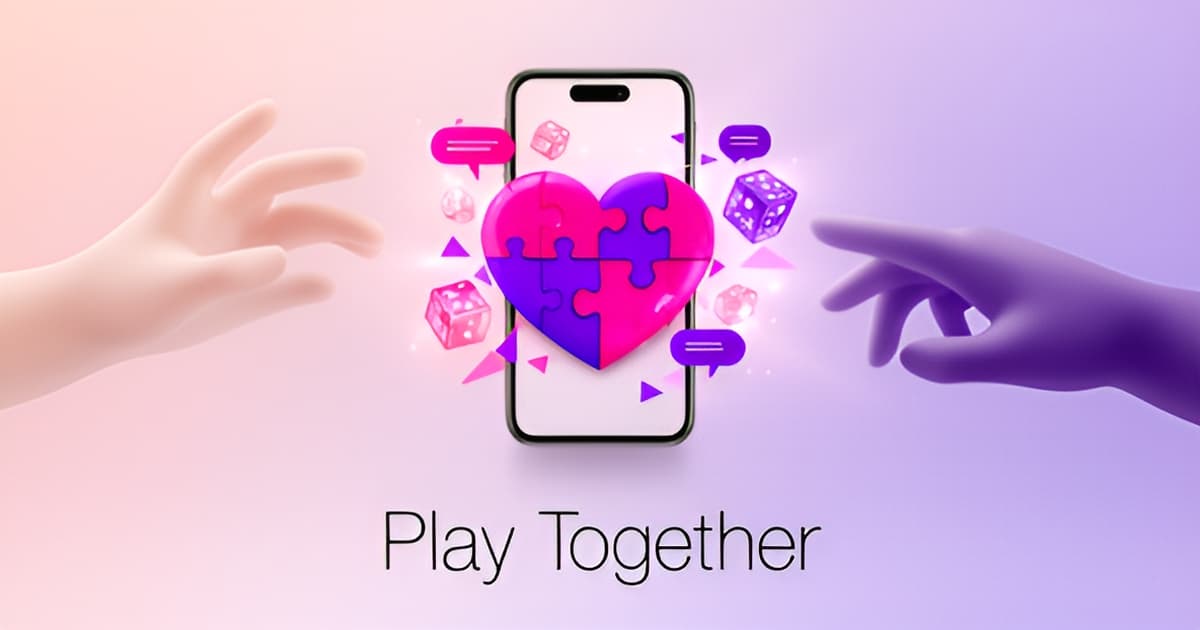
Love games with girlfriend: how to play with an AI companion
Key Facts
- 78% of AI companion users report reduced loneliness according to research
- The AI companion market is projected to reach $45.3 billion by 2033 according to market analysis
- 70% of users interact with AI companions daily, spending 45 minutes per session research shows
- The market is expected to grow at a 15.7% CAGR from 2025 to 2033 market research
- 65% of users note improved mental health from AI companion use research indicates
- The global AI companion market grew from $2.5B in 2023 to a projected $15B by 2030 research shows
The Loneliness Epidemic
Loneliness is no longer a private struggle but a global crisis, with profound implications for mental health and societal well-being. A recent study reveals that 78% of users of AI companions report reduced loneliness, while 65% note improved mental health. These numbers underscore a growing reliance on digital connections to fill emotional gaps, driven by factors like social fragmentation and the rise of remote living. The AI companion market is expanding rapidly, projected to reach $45.3 billion by 2033, as users seek personalized interactions to combat isolation.
The psychological toll of loneliness is severe, with research linking prolonged isolation to increased risks of depression, anxiety, and even cardiovascular issues. Yet, AI companions offer a novel solution: engaging, consistent presence through interactive experiences. FlirtAlly’s 16-game library, for instance, provides playful, relationship-driven activities that simulate emotional reciprocity, addressing the demand for entertainment while fostering connection.
- 70% of AI companion users interact daily, spending 45 minutes per session on average.
- Experts caution that while AI can mimic empathy, it lacks genuine emotional depth, raising concerns about dependency.
- The market’s growth reflects a shift toward technology-driven social solutions, particularly among younger demographics.
< strong class="blog-highlight">AI companions can simulate empathy but lack real understanding, according to industry analyses, highlighting the tension between convenience and authenticity. For FlirtAlly, this means balancing innovation with ethical considerations, ensuring its games and interactions prioritize user well-being. As loneliness reshapes social dynamics, platforms like FlirtAlly aim to offer meaningful, if artificial, alternatives to traditional relationships.
The Role of Love Games in AI Companionship
There's a reason "just chatting" apps feel hollow after a while: play is how people bond. Research shows 70% of AI companion users interact daily, averaging 45 minutes per session, and interactive games turn that time into something far more engaging than text alone.
The science backs this up. According to companion-app statistics, 78% of users report reduced loneliness and 65% note improved mental health. Games add structure to those interactions — a shared activity, a little friendly competition, a reason to come back tomorrow.
That's exactly why FlirtAlly built a 16-game library into its companions, shipping at launch. These aren't gimmicks bolted onto a chat window. Tic-tac-toe, Connect 4, checkers, blackjack, Truth or Dare, Would You Rather, and Flirt Battle run on server-authoritative engines, so she plays for keeps — and seven of the games support credit wagers.
The memory layer is what elevates play into relationship. She remembers results and brings up old losses later, which makes every match feel like part of a shared history rather than a reset each session. It mirrors how real couples build inside jokes and running rivalries.
Why games matter so much in AI companionship:
- They create shared activities instead of one-sided conversation, deepening the sense of a real dynamic.
- They give companions a natural reason to initiate — game invites and rematch challenges arrive like texts from a partner.
- They tap the dominant market application: entertainment and leisure, including interactive gaming, is a leading use for companion apps.
- They make companionship sustainable — a structured session beats an aimless 45-minute scroll for most people.
