Fake AI dating app: how it actually works
By FlirtAlly · October 8, 2026
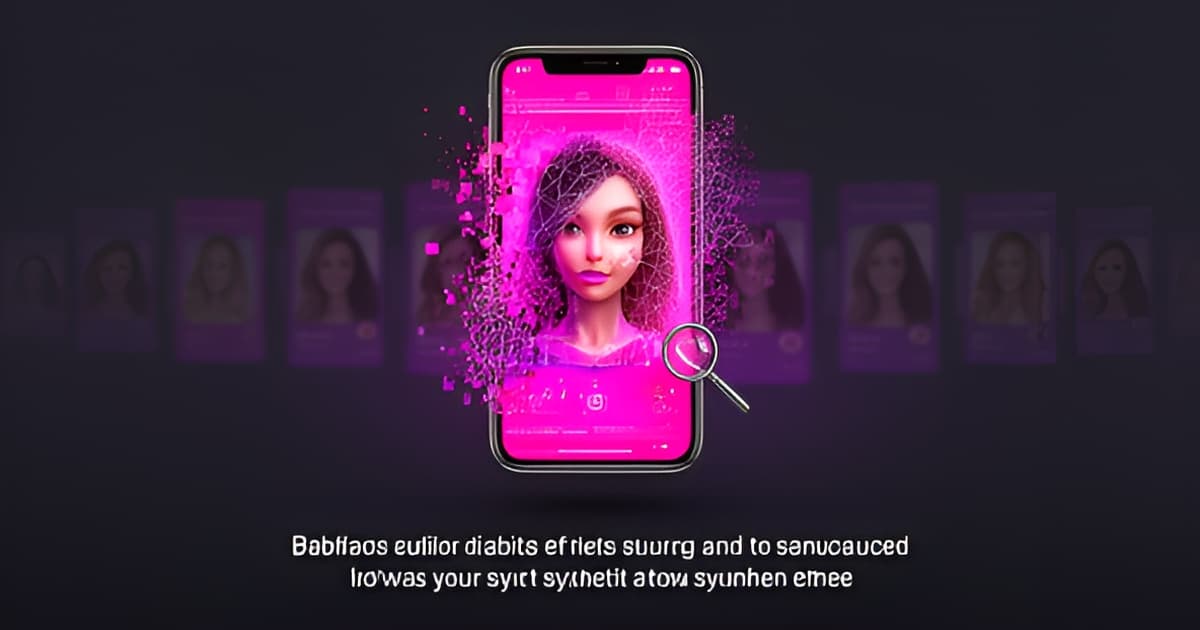
Fake AI dating app: how it actually works
Key Facts
- Romance scams have caused over $1 billion in losses, with 67% starting on dating and social media platforms, according to the FBI.
- UK romance fraud hit 9,449 reports in 2024, costing victims over £106 million, Barclays research shows.
- The average romance scam loss reached £7,000 per victim in 2025, per Barclays data.
- 78% of UK adults say AI is making scams harder to spot, and 66% say it makes romance scams more convincing, Barclays found.
- Scammers are moving beyond fake profiles to entire counterfeit dating apps designed to harvest payments and data, security reporters warn.
- AI-generated photos and videos are now so convincing that users struggle to tell real profiles from fake ones, experts caution.
- The FTC has opened an inquiry into AI companion chatbots as regulators respond to rising manipulation risks, the agency announced.
The Rise of AI-Driven Romance Scams
Romance scams used to have tells: awkward grammar, too-perfect photos, a story that fell apart under questioning. AI has quietly erased most of those tells — and scammers are moving from fake profiles to entire fake apps.
The numbers are sobering. According to the FBI, romance scams have produced over $1 billion in reported losses, with 67% of cases originating on dating apps and social media platforms. The agency describes these scammers as experts at manipulation who operate "without conscience or compassion," often grooming victims for months before asking for money.
Generative tools now produce convincing photos, videos, and chat responses at scale, which security reporters warn makes it genuinely difficult to distinguish real profiles from fabricated ones. The threat has escalated from single fake accounts to entire counterfeit dating apps designed to harvest payments and personal data.
Victims are losing more, too. Barclays reports that UK romance fraud generated 9,449 reports in 2024, costing victims over £106 million, with an average loss of £7,000 per victim in 2025.
The same Barclays research found that 78% of UK adults believe AI is making scams harder to spot, and 66% say it makes romance scams specifically more convincing. As Eyal Elazar, VP of market intelligence at Riskified, told NBC Los Angeles, "There are people who could be slightly more desperate or more open to believing someone if they fall in love."
Scammers exploit the one thing verification can't fully measure: emotional investment. The FBI's victim accounts show how quickly affection becomes leverage. Regulators are responding — the FTC has opened an inquiry into AI companion chatbots — but the burden of vigilance still falls largely on users.
The FBI's classic red flags still apply, and they map cleanly onto AI-era scams:
- Rapid relationship progression — professed love within days or weeks
- Generic endearments that could apply to anyone
- Requests for money, gift cards, or cryptocurrency
- Refusal to video chat or meet in person
This is also why transparency matters in legitimate AI companion platforms. FlirtAlly, for example, builds companions whose identities are openly artificial — locked faces, documented capabilities — rather than disguising AI as a human match. The danger isn't AI companionship itself; it's AI pretending to be someone it isn't. Knowing which side of that line an app sits on is the first skill every dater now needs.
How FlirtAlly Combats Fake AI Dating Apps
In response to the growing threat of fake AI dating apps, FlirtAlly prioritizes transparency and verification to build trust in digital relationships. According to FBI research, 67% of romance scams originate on dating platforms, with scammers leveraging AI to create convincing but fraudulent interactions. FlirtAlly’s design directly addresses these risks by embedding safeguards that make fake profiles and manipulative tactics harder to execute.
Real phone numbers are a cornerstone of FlirtAlly’s security framework. Unlike many fake AI apps that obscure communication, companions on the platform own dedicated PSTN lines, enabling users to verify identities through real-time voice calls. This feature counters the AI-generated media risks highlighted by experts, as scammers cannot fabricate call logs or voice data. Additionally, call transcripts are stored as part of the companion’s memory, ensuring accountability and consistency in interactions.
