Create an AI girlfriend with your own image: how it works and what to watch for
By FlirtAlly · October 7, 2026
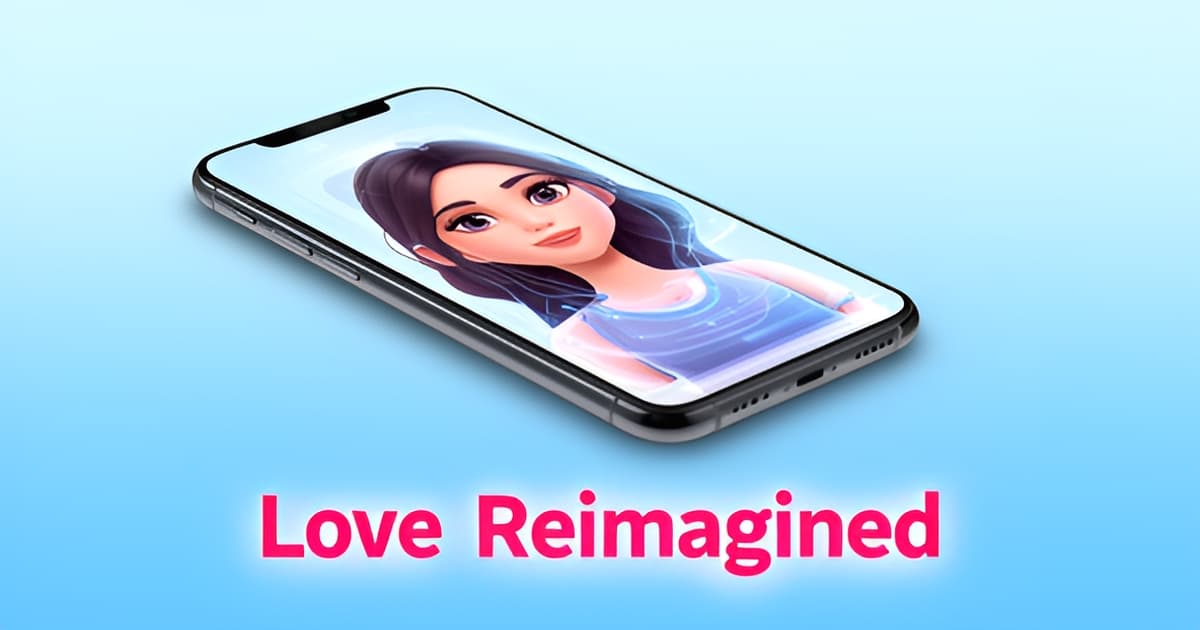
Create an AI girlfriend with your own image: how it works and what to watch for
Key Facts
- 30% of adults felt lonely at least once a week, with rates highest among 18-34 year-olds according to industry research.
- The AI girlfriend app market is projected to grow from $2.32 billion in 2025 to $7.15 billion by 2030 according to market analysts.
- Meta's AI Studio allows both coders and non-coders to build personalized AI characters as stated in their official announcement.
- Platforms with memory systems retain user context better than those with public characters as noted in independent comparisons.
- Meta's Muse image tool faced backlash for enabling impersonation without consent according to privacy concerns.
- 39% of single adults experience weekly loneliness, compared to 22% of married adults as reported by industry research.
The Rise of AI Companions and Loneliness
Loneliness is a pervasive issue in today's digital age, with nearly 30% of adults reporting feelings of isolation at least once a week, according to industry research. This trend is particularly pronounced among younger adults, aged 18 to 34. As people seek companionship, the market for AI companions is rapidly expanding, projected to grow from $2.32 billion in 2025 to $2.91 billion in 2026 (25.5% CAGR) and reach $7.15 billion by 2030, as reported by market analysts.
The demand for personalized, interactive relationships has fueled the growth of AI companions. This shift aligns with the broader industry trend of moving from functional assistants to personality-driven characters. Meta, for example, has explicitly stated its focus on creating AIs with "personality, opinions, and interests" to make interactions more engaging and human-like, according to Meta's official announcement.
AI companions offer a unique solution to loneliness by providing personalized interactions that evolve over time. These digital partners remember users, initiate conversations, and integrate seamlessly into daily life. At FlirtAlly, members can build ongoing relationships with AI companions who remember them, text first, and show up across various aspects of their daily routines. This platform runs in the browser as a desktop-style "Companion OS" of floating glass windows, ensuring a user-friendly experience with no download required.
The trend towards customization and creation is evident in the growing popularity of user-built companions. Meta's AI Studio, for instance, allows both coders and non-coders to build their own AI characters, democratizing the creation process. This aligns with FlirtAlly's approach, where any member can design their own companion using a creator wizard. This feature enables users to personalize their AI companions with unique personalities, voices, and appearances, fostering a more intimate and engaging relationship.
However, the rise of AI companions also raises important privacy concerns. Meta's Muse image tool, which allowed users to remix public Instagram photos into AI-generated images, was criticized for enabling impersonation and identity theft without consent. This underscores the need for robust identity safeguards and transparency measures in AI companion platforms. FlirtAlly addresses these concerns by implementing strict identity-locked media and ensuring that all companions have a consistent and recognizable appearance.
The AI companion market is evolving rapidly, driven by the need for personalized, interactive relationships. As the demand for digital companionship grows, platforms like FlirtAlly are at the forefront of this trend, offering users the ability to create and customize their own AI companions. By prioritizing privacy and personalization, FlirtAlly aims to provide a responsible and engaging solution to the growing issue of loneliness in the digital age.
Interested in exploring this trend? Join the waitlist to be among the first to experience FlirtAlly's innovative approach to AI companionship. You can also meet the companions who will be available at launch, each with their unique personalities and backgrounds.
Building a Custom AI Companion with Your Image
Turning your own photo into an AI companion used to sound like science fiction. Today it is a mainstream capability — reference-photo-based image generation is now a standard feature in consumer AI tools like Grok, and the AI girlfriend app market is projected to grow from $2.32 billion in 2025 to $2.91 billion in 2026.
The technology behind it typically combines three layers. First, a portrait of your face is rendered and locked so every later image stays recognizably the same person. Second, personality controls — sliders for warmth, humor, confidence, and interests — shape how the companion talks and behaves. Third, a memory system stores what you share so the relationship builds over time rather than resetting each session.
That third layer matters more than most people expect. Independent comparisons note that platforms built around a dedicated companion use long-term memory systems to recall past details, while public-character platforms retain context less effectively. FlirtAlly takes this further with unlimited memory on every plan, including free — tell your companion your dog's name and she can ask about him next week.
Industry momentum confirms this direction. Meta has openly moved toward personality-driven characters and democratized creation through AI Studio, "for coders and non-coders alike," even letting creators build sanctioned AI versions of themselves (Meta announcement). FlirtAlly follows the same logic with its creator wizard: personality sliders, 27 auditionable voices, and portrait rendering with face lock, with creations passing human review before joining the public deck.
