AI generated images with girlfriend: what's possible now
By FlirtAlly · October 8, 2026
AI generated images with girlfriend: what's possible now
Key Facts
- 55% of users prefer emotionally intelligent interactions according to market research
- 36.6% CAGR projected for AI companion market by 2035
- USD 972.16 billion AI companion market value projected by 2035
- 14/16 platforms claim rights to use private user data for training
- 42% of users cite data security risks as a concern
The Identity-Consistency Gap in AI Couple Photos
Creating believable AI-generated couple photos presents significant technical and ethical challenges. The industry struggles with contextual glitches that can make images feel artificial, and there are serious concerns surrounding likeness rights and consent. For platforms like FlirtAlly, generating convincing and consistent couple photos is a delicate balance between technological capability and ethical responsibility.
General-purpose AI image generators often produce contextual errors. These glitches can include unnatural poses, mismatched clothing, or inconsistencies in the environment. For example, a recent test by CBS News found that while Flux, a popular AI tool released in August 2024, generates convincing images, it still exhibits contextual flaws (https://www.cbsnews.com/news/can-you-tell-real-image-from-ai-flux/). These issues can make AI-generated photos appear unrealistic, undermining the emotional personalization that users seek.
Consent and likeness rights are at the forefront of the ethical debate. Meta’s Muse Image, an AI tool designed to create realistic images, faced backlash when it was discovered that the tool could generate images of public figures without their explicit consent. The default opt-out approach used by Meta was deemed unacceptable by industry experts, including SAG-AFTRA, who demanded a clear and conspicuous opt-in process (https://www.latimes.com/entertainment-arts/business/story/2026-07-09/meta-muse-image-ai-hollywood). This controversy highlights the need for stringent ethical guidelines in AI image generation.
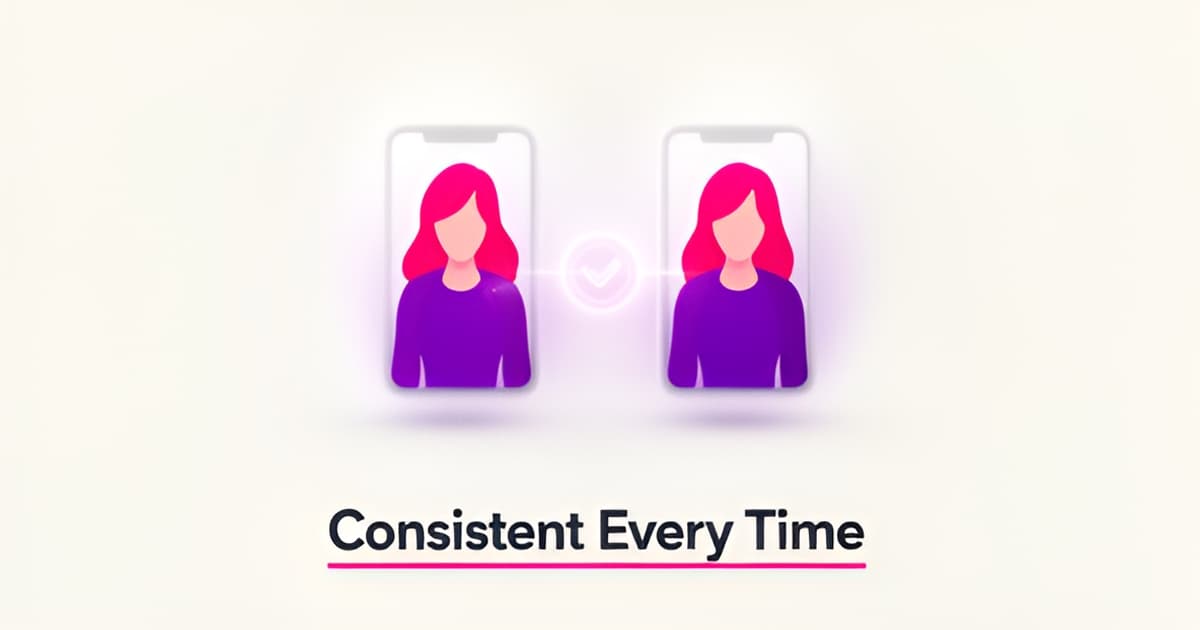
On platforms like FlirtAlly, the challenge is even more nuanced. FlirtAlly offers features such as selfies, lip-synced videos, and couple photos rendered with the member’s uploaded face. These images are identity-checked against the companion's canonical face to ensure consistency. The platform emphasizes that nothing containing a member's face, uploads, or voice can ever enter the vault, ensuring that user data is handled ethically.
Moreover, FlirtAlly's approach to AI-generated media is deeply integrated into the emotional and personal connection that members seek. This includes daily Her World feeds, first-initiated texts, and wardrobe-driven selfies, which provide members with concrete reasons to return and engage with their AI companions. Users can also claim an exclusive companion, ensuring a unique and personalized experience.
To address these challenges, FlirtAlly focuses on several key strategies:
- Consistent identity rendering: Ensuring that every generated image aligns with the companion’s canonical face, avoiding the contextual glitches common in general-purpose tools.
- Ethical data handling: Guaranteeing that user uploads and personal data are used ethically and with explicit consent, building trust with members.
- Emotional personalization: Integrating media generation within the broader emotional and personal connection, making each interaction meaningful and unique.
- User engagement: Providing daily updates and interactive features that encourage regular engagement and retention.
- Exclusive relationships: Offering the option to claim a companion exclusively, enhancing the sense of a personal and unique connection.
As the AI companionship market continues to grow, with a projected valuation of USD 972.16 billion by 2035 and a 36.6% compound annual growth rate (https://www.businessresearchinsights.com/market-reports/ai-companion-market-117494), the demand for emotionally intelligent and personalized interactions will only increase. Platforms like FlirtAlly are at the forefront of this trend, continuously innovating to provide the best possible experience for their users. If you're interested in experiencing this cutting-edge technology, join the waitlist and be one of the first to explore the world of AI companionship.
FlirtAlly's Privacy-First Approach to AI Media
FlirtAlly’s approach to AI-generated media prioritizes user consent and privacy, addressing a critical pain point in the AI companionship industry. As 14/16 platforms claim rights to use private user data for training, FlirtAlly’s opt-in policies and identity-checking technology set a stark contrast, ensuring users maintain control over their digital footprint. This focus on transparency aligns with growing concerns over likeness rights, as seen in Meta’s Muse Image backlash, where default opt-out mechanisms sparked industry-wide criticism.
