AI character design: a step-by-step guide
By FlirtAlly · October 7, 2026
AI character design: a step-by-step guide
Key Facts
- The AI companion market is projected to surge from $48.0B in 2026 to $318.0B by 2033, a 31% CAGR according to Grand View Research.
- 47% of AI companion users regularly juggle two or more AI personalities, making character consistency a critical design challenge per Elon University research.
- In delayed-recall memory tests, Nomi AI retained 23 of 25 details while Kindroid managed just 14 an independent review found.
- Most AI companion platforms drift back to 'helpful assistant' mode within days, with characters feeling like a different person every session reviewers report.
- 27% of U.S. adults now interact socially with AI, and 63.3% of Replika users reported reduced loneliness research shows.
- 15 of 17 UK AI companion platforms lack effective age verification, while FlirtAlly requires ID verification for its 18+ side UK analysis found.
- Stanford research found users with limited offline social networks often felt more lonely after seeking emotional support from chatbots according to researchers.
Why Most Custom AI Characters Fall Apart — The Consistency Problem
The AI companion market, projected to surge from $48.0B in 2026 to $318.0B by 2033, hinges on personalization—but consistency remains a critical hurdle. Industry research reveals that 47% of users juggle two or more AI personalities, amplifying the challenge of maintaining a stable, recognizable character. Yet, most custom AI characters fail due to three documented issues: character drift, regression to 'helpful assistant' mode, and weak memory retention.
A review of leading platforms highlights that many AI companions “felt like a different person every session,” with users reporting rapid shifts in tone or behavior. One test found Nomi AI retained 23 of 25 details in delayed-recall tasks, while Kindroid managed just 14. Such inconsistencies erode trust, as users struggle to engage with a character that lacks continuity.
The core challenge lies in designing a personality that feels authentically human. Research shows 27% of U.S. adults interact socially with AI, yet 63.3% of Replika users reported reduced loneliness—an outcome contingent on consistent, meaningful interactions. Without stable memory and behavior, AI companions risk becoming mere tools, not companions.
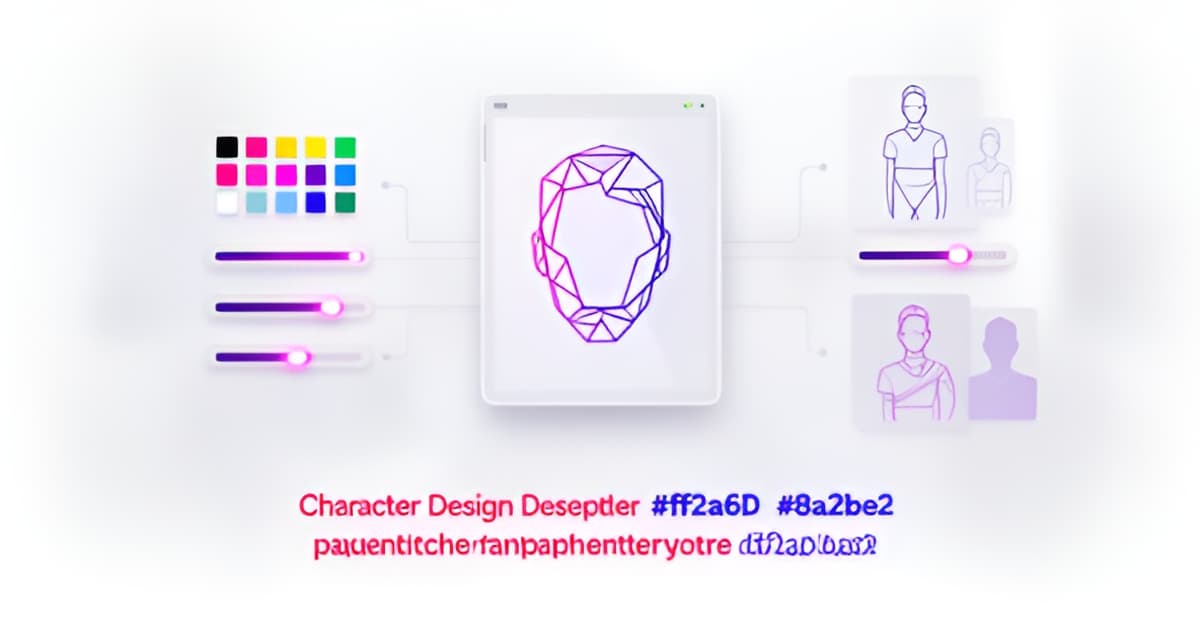
FlirtAlly’s design tools address these gaps. By locking a character’s face, assigning a voice, and structuring memory into four layers (facts, episodic, emotional, and summary), the platform ensures continuity. Ethical guidelines emphasize the need for “constructive disagreement” over sycophancy, a principle mirrored in FlirtAlly’s personality sliders, which allow creators to build characters with distinct traits—like a “temper” or hobbies.
For users seeking to craft their own AI companions, the process begins with the creator wizard. Each step—from selecting voice and appearance to defining interests—directly tackles industry failure modes. Yet, as the market grows, so does the demand for reliability. FlirtAlly’s approach, rooted in identity-checking renders and unlimited memory, offers a blueprint for sustaining the illusion of a real person.
- Character drift: 47% of users manage multiple AI personalities
- Memory test: Nomi 23/25 vs. Kindroid 14/25 details recalled
- Market growth: $48.0B to $318.0B by 2033
The path to a cohesive AI character is fraught, but understanding these pitfalls is the first step. For creators, the tools exist—but the responsibility to build consistency remains.
The Design Principles That Keep a Character Consistent
When designing a custom AI character, maintaining consistency is crucial. It ensures that interactions feel authentic and meaningful. This consistency is grounded in three key design principles: personality depth, honest personality design, and identity anchoring. FlirtAlly's build tools address these principles seamlessly, ensuring that every AI companion remains true to their character across all interactions.
Personality depth is achieved through detailed backstory and customization options. Kindroid’s backstory system, ranked best for personality customization, includes detailed character descriptions, personality traits, speech patterns, and specific knowledge domains. Similarly, FlirtAlly’s personality sliders allow for a nuanced, temperamental companion. This means your AI character can have real interests, a hometown, and even a unique perspective, making interactions more engaging and personal. According to industry research, users feel emotionally connected to AI companions that exhibit depth and authenticity.
Honest personality design is essential in fostering healthy interactions. The Ada Lovelace Institute emphasizes the importance of "constructive disagreement" over sycophancy. This principle ensures that AI companions can provide constructive feedback and challenge users, promoting social upskilling rather than dependency. FlirtAlly’s personality sliders align with this ethical design, allowing companions to have a temper and offer honest feedback. This is crucial, as Stanford research indicates that users with limited offline social networks often feel more lonely after seeking emotional support from chatbots. Therefore, designing companions with honest interaction styles is vital. Remember, a companion should be capable of constructive disagreement, fostering healthier relationships and avoiding dependency.
Identity anchoring is another critical aspect. It ensures that the AI character remains consistent across all interactions, whether through text, voice, or video. This consistency is achieved through locked faces with identity-checked renders, assigned voices, and unlimited four-layer memory. FlirtAlly’s build tools ensure that every interaction with an AI companion reflects their true identity, from hometowns and birthdays to interests and personality traits. This four-layer memory system includes facts, episodic memory, emotional recall, and a rolling summary, ensuring that companions remember conversations and details, just as a human would.
